Rubber Labels
Embossed, durable and stylish rubber labels.
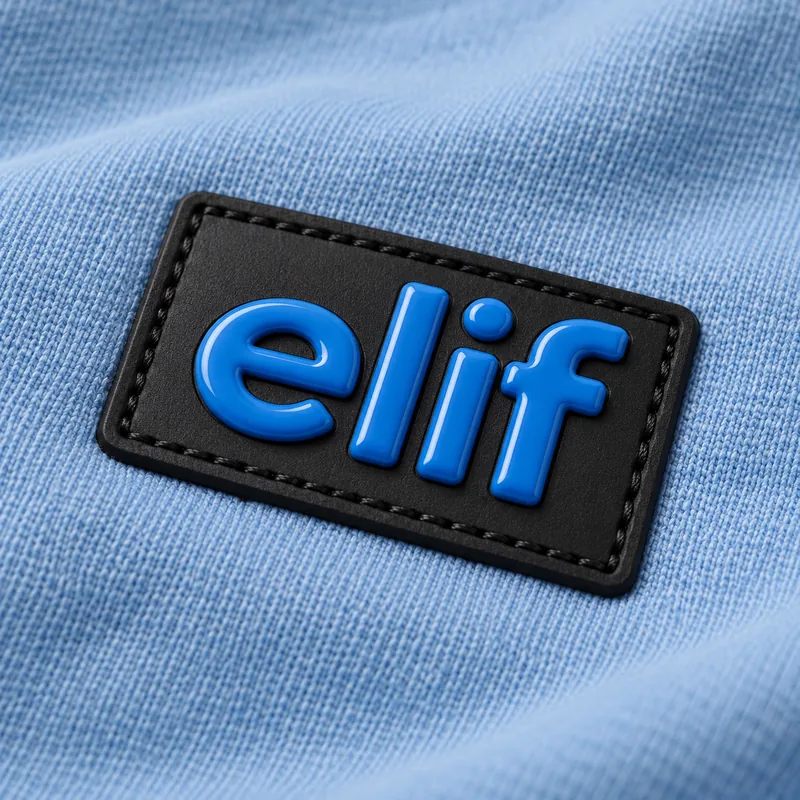
Custom manufacturing for Rubber Labels
With embossed-logo rubber labels, we give your products a durable and stylish brand touch. Share your design and we will produce it with molds and colors made exclusively for your brand.
For this product group, rather than offering catalog models, we work directly to your brand’s requirements. Share your logo, dimensions and color preferences, and our design team will prepare the best solution for you.
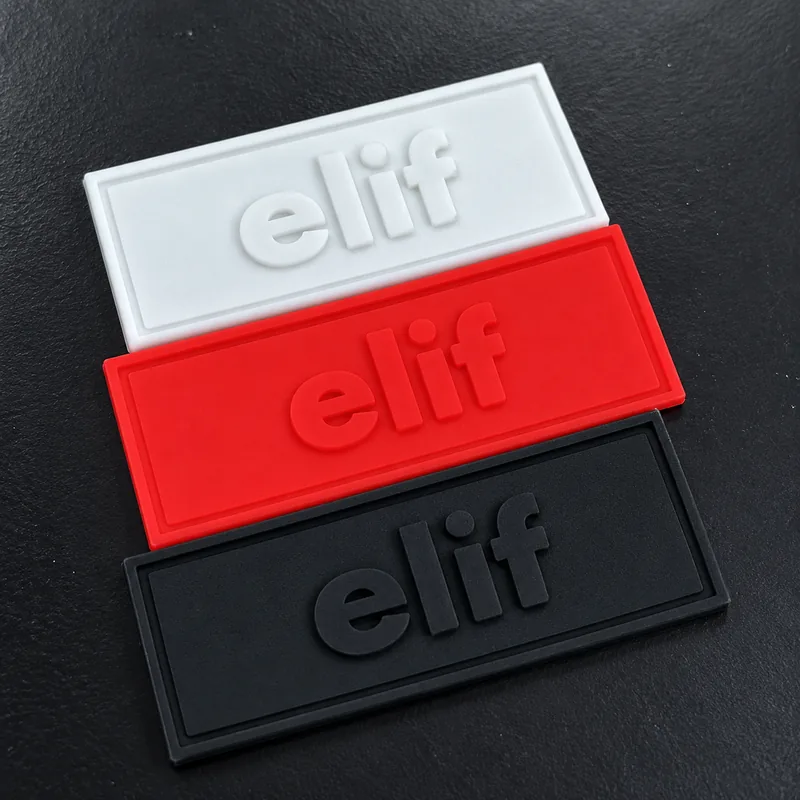

A rubber label turns your logo into a raised, tactile form and adds a lasting brand signature to your product. At Elif Tekstil Aksesuarları, we manufacture PVC and silicone rubber labels with our design team and sample department in Bağcılar, Istanbul. We combine options such as 2D or 3D relief, matte or glossy finish, clear base and sewing channel to fit your brand’s needs, and we supply domestic and international brands on a wholesale basis.
Request a quoteLayered Relief Depth
Each color in your logo is poured as a separate layer; from a stepped 2D surface to a sculpted 3D form, we decide together on the depth that suits the character of your design and confirm it on a sample.
Wash-Resistant Construction
Rubber material keeps its shape and color through water, sweat and repeated washing, delivering a long-lasting brand presence on outdoor, sports and denim products exposed to heavy use.
Brand-Specific Colors
Using your corporate colors as a reference, we match the shade of each layer individually; with a matte or glossy finish, we make sure your logo reads clearly on fabric, leather or mesh.
Easy Application
A sewing channel along the edges lets the label be stitched neatly and quickly on a standard sewing machine, so you get a clean application on your production line without any extra equipment.
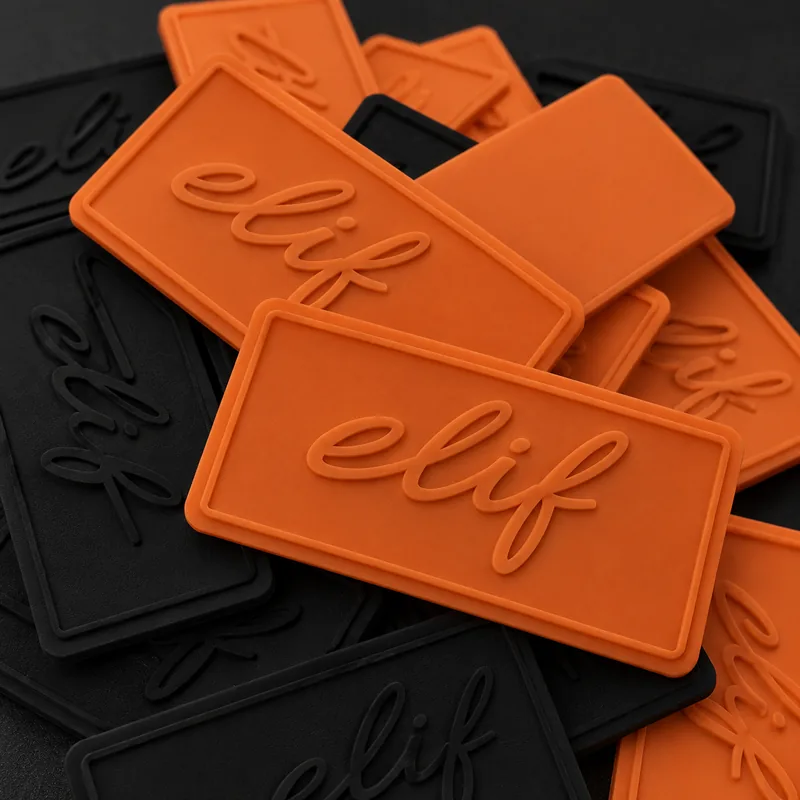
A good rubber label lets your customer genuinely feel your brand at their fingertips the very first moment they pick up the product.
Turn your logo into a signature you can touch
In the industry, a rubber label is a flexible brand label, usually molded from PVC- or silicone-based material, with a raised logo or lettering on its surface. For PVC rubber labels, liquid compound is poured in sequence into the corresponding cavity of the mold for each color in the design and then cured in an oven to form a single piece. This method is ideal for multicolor logos with sharp outlines and vivid colors. For silicone labels, the material is compression-molded under heat and pressure; the result is a surface with a softer handle that carries fine details elegantly and feels comfortable where it touches the skin. Which material to choose depends on your product’s conditions of use and the look you are aiming for.
On the design side, the most decisive choice is the type of relief. With 2D relief, the logo layers rise in steps as flat surfaces, producing a clean, graphic and legible result. With 3D relief, the surfaces are rounded and gain slope and volume, creating an almost sculptural effect for emblems, mascots or figurative logos. For the surface finish, the matte option offers an understated, modern look, while a glossy finish makes colors appear more vivid. A clear base, in turn, puts the spotlight on the logo alone: the fabric behind the label remains visible, giving a light, integrated look, especially on light-colored or patterned grounds.
The success of a rubber label depends largely on the precision of the mold. When converting your logo into a production-ready technical drawing, our design team optimizes line weights, letter spacing and layer boundaries for the way rubber material behaves. We review color, depth and size together with you on the first samples prepared in our sample department and move to bulk production after your approval. Backed by our own production as well as our import and export experience, we supply rubber labels wholesale to garment workshops in Turkey and to brands abroad, planned around their collection calendars.
Types of rubber labels and how they differ
Our rubber label collection varies by material, relief type, base structure and application method. The types below can be used on their own or combined on the same label according to your brand’s needs, creating a distinctive label concept for each collection.
- 01
PVC rubber label
Made by pouring liquid PVC compound into the mold color by color and curing it in an oven. It delivers sharp color transitions, vivid shades and high durability in multicolor logos, making it the most popular choice for coats, bags, caps and workwear.
- 02
Silicone label
Compression-molded with heat and pressure, silicone has a softer, more flexible handle than PVC. It carries fine lines elegantly and creates a comfortable brand detail in areas close to the skin, in sportswear and on stretch fabrics.
- 03
2D relief label
The logo layers rise in steps as flat surfaces. It is a clean, legible solution for typography-led logos, corporate emblems and simple graphics, with balanced mold costs; details look crisp and well proportioned.
- 04
3D relief label
Surfaces are rounded to add volume and slope, so light breaks across the label at different angles. For logos featuring mascots, animal figures, crests or portraits, this type conveys depth most powerfully and markedly enhances premium perception.
- 05
Clear-base label
The base around the logo is poured in clear material, so only the logo stands out while the color or pattern of the fabric underneath remains visible. It gives a light, integrated look on light-toned, patterned or technical fabrics.
- 06
Label with sewing channel
A thin, low channel along the edge of the label marks the line the needle will follow. This channel keeps stitching from running onto the logo, helps the operator sew straight and fast and keeps the thread looking neat on the label surface.
Rubber Labels technical details
Values indicate typical production ranges; final size, color and material are confirmed upon sample approval.
- Material
- PVC or silicone
- Relief type
- Stepped 2D or volumetric 3D
- Surface finish
- Matte or glossy
- Base
- Colored or clear
- Color
- Multicolor, brand-specific matching
- Size and shape
- On request, cut to logo contour
- Edge detail
- With sewing channel or plain edge
- Application
- Sewing; alternative attachment on request
- Mold
- Brand-specific, made to your design
- Sample
- Sample approval before bulk production
- Applications
- Apparel, bags, caps, footwear, accessories
- English name
- Rubber Label
Where is it used?
Key applications for Rubber Labels.
Coats and Outdoor
On coats exposed to rain, wind and abrasion, a rubber label creates a strong, technical brand look on the sleeve or chest that stays intact for a long time.
Bags and Backpacks
On bag flaps, backpack fronts and strap details, rubber labels with a sewing channel keep the logo crisp and legible despite heavy use.
Caps and Beanies
On cap front panels and beanie cuffs, 3D relief labels complete the design by delivering high visibility and a striking sense of depth in a small space.
Sportswear
On stretch sports fabrics, soft silicone labels hold their shape without restricting movement, creating a dynamic, sporty brand detail on leggings, tracksuits and training tops.
Footwear and Slippers
On shoe tongues, heel tabs and slipper straps, a rubber label keeps your brand visible for a long time in everyday use thanks to its resistance to water and dirt.
Denim and Children’s Wear
Rubber labels offer a modern alternative on denim pockets and waistbands, while in children’s wear, colorful 3D figures create a fun, eye-catching collection language.
Options for customizing your label
Once the material and relief type are set, the details that truly complete your label’s character come into play. The color, shape, surface and attachment options below are finalized with our design team according to your brand identity and the product’s conditions of use.
About custom manufacturing- 01
Number of colors and matching
Since each color is poured into a separate cavity in the mold, the number of colors in the logo affects both the look and the production flow. Sharing your corporate color references makes it easier for us to hit the right shade on the sample.
- 02
Shape and contour cut
The label can come in classic shapes such as square, round or rectangular, or it can be made with a contour cut that follows the outline of the logo itself. A contour cut gives a standalone emblem effect, especially for figurative logos.
- 03
Matte or glossy finish
A matte surface diffuses light for a clean, contemporary and sophisticated look; a glossy surface makes colors appear saturated and keeps the logo noticeable even from a distance. The choice is made together with the fabric texture and the overall tone of the collection.
- 04
Thickness and flexibility
The label’s base thickness and relief height are adjusted to the product it will be applied to. A thin, flexible build suits sportswear, while a fuller, more prominent body may be preferred for products such as bags and coats.
- 05
Attachment method
The most common method is machine sewing along the sewing channel. Other attachment methods can also be considered on request depending on the product’s construction; since the application method is set at the mold design stage, it is important to clarify it from the outset.
Rubber label, woven label or metal plate?
When choosing a brand label, the product’s conditions of use matter as much as the look. The table below places the rubber label side by side with its two most frequently compared alternatives across six key criteria.
| Criterion | Rubber label | Woven label | Metal plate |
|---|---|---|---|
| Appearance | Raised, 2D or 3D | Flat, woven with yarn | Glossy or matte metal |
| Tactile effect | Pronounced and soft | Low, flat surface | Hard and cold |
| Wash and water resistance | High | Good | Depends on plating |
| Flexibility | Flexible, moves with fabric | Flexible | Rigid |
| Color detail | Multicolor layers | Limited to yarn colors | Usually single tone |
| Typical use | Coats, bags, caps, sportswear | Neck label, inner label | Denim, bags, leather goods |
From request to delivery, step by step
We stay in touch with you at every stage and never move on to the next step without your approval.
- 1
Design and technical drawing
Once we receive your logo in vector format, our design team prepares a technical drawing suited to rubber production; it finalizes line weights, color separations and relief levels and submits a dimensioned draft for your approval.
- 2
Mold preparation
A brand-specific mold is made according to the approved drawing. Layer boundaries are machined into the mold for 2D designs, and volumes and slopes for 3D designs; mold quality directly determines the sharpness of every detail on the label.
- 3
Sample and color approval
Our sample department produces the first samples in the actual colors and material. We check shade, depth, size and sewing channel together with you, make any necessary corrections and then obtain your written approval for bulk production.
- 4
Pouring and press production
For PVC labels, colors are poured into the mold in sequence and cured in an oven; for silicone labels, the material is pressed with heat and pressure. Throughout production, color consistency and relief definition are monitored against the approved sample.
- 5
Inspection and shipping
Labels coming out of the mold are carefully inspected for flash, color bleed and dimensional deviation. Approved products are counted, packed and shipped to domestic or international destinations on a schedule planned per project.
Quality control and usage tips for rubber labels
- Send your logo in vector format; fine lines may be thickened so they come out crisp in rubber.
- For very small text, keeping letter spacing generous noticeably improves legibility.
- Leaving enough space between the sewing channel and the logo prevents the needle from damaging the relief.
- Do not let the iron touch the rubber surface directly on labeled products; iron from the reverse side.
- In bulk production, compare randomly selected labels with the approved sample for color and size.
- Store labels stacked flat, away from direct sunlight and high temperatures.
Rubber Labels: your questions answered
Can’t find the answer you’re looking for? Our team is happy to help.
What is a rubber label and what is it made of?
A rubber label is a flexible, molded brand label with a raised logo or lettering on its surface. Although the industry calls them rubber, these labels are mostly made from PVC- or silicone-based materials. Both materials resist water and washing; the main difference between them lies in handle, flexibility and how they render detail. We make the choice together with you based on your product’s end use.
PVC or silicone: which should I choose?
PVC offers vivid colors and a full body for multicolor logos with sharp outlines and is often chosen for coats, bags, caps and workwear. Silicone is softer and more flexible, providing comfort in areas close to the skin and on stretch sports fabrics. If you share your product’s conditions of use and the look you are aiming for, our team will recommend the most suitable material.
What is the difference between 2D and 3D rubber labels?
On a 2D label, the logo layers rise step by step as flat surfaces; the result is clean, graphic and legible. On a 3D label, the surfaces are rounded and gain slope and volume, creating sculptural depth in detailed logos such as figures, mascots and crests. Since a 3D mold requires more workmanship, we assess together which type is more suitable depending on the complexity of the design.
Are rubber labels resistant to washing and ironing?
Rubber labels keep their shape and color through water, sweat and repeated washing, which is why they are chosen for outdoor, sports and denim products. When ironing, however, the hot soleplate should not touch the label surface directly. Ironing the product inside out or placing a cloth over the label helps the relief and surface finish stay as good as new for a long time.
How is a rubber label sewn onto a product?
The most common method is to sew along the sewing channel at the label’s edge with a standard sewing machine. Because the channel marks the line the needle will follow, the operator sews the label straight and fast, and the stitching does not run onto the logo. If your product’s construction requires a different attachment, it is important to mention this at the design stage, since the channel and base thickness are planned accordingly when the mold is made.
What should I send to have my logo produced as a rubber label?
Ideally, a vector file such as AI, EPS, PDF or SVG, your corporate color references and the target size of the label are all we need. If you do not have a vector file, our design team can convert your existing image into a technical drawing. Line weights and color separations are then adapted for rubber, and we move to sample production based on the draft submitted for your approval.
How are quantity and lead time determined for a rubber label order?
Order quantity and delivery schedule are planned specifically for each project based on the label’s size, number of colors, relief type and mold requirements. So rather than quoting a fixed quantity or timeframe, we provide a clear production plan after reviewing your design and the quantity you need. With sample approval, the bulk production schedule is finalized around your collection date.